χειροποιητό ζωγραφιστό τεφροδόχοςCategoriesURNS

Since when have people cremated the dead throughout the centuries: History and evolution | Tefrodoxoi.gr

Since when have people cremated the dead throughout the centuries: History and evolution

From Tefrodoxoi.gr

Since when have people cremated the dead throughout the centuries and how have people evolved this practice to this day? Societies have been practicing cremation for thousands of years and are constantly changing the way they perceive it.

In this article, we examine when people began cremation, how it was used in ancient times, why it was reduced in the Middle Ages, and how it is being revived in modern times. We also connect the historical trajectory with the current services offered by tefrodoxoi.gr.

When do people start cremating the dead?;

When did they first implement cremation?;

Historians trace the practice of cremation to humans as early as the 2nd millennium BC. Ancient societies burned their dead in special ceremonies.

Why did the ancients people choose cremation?;

People choose cremation because:

  • they believe they are freeing the soul
  • avoid health problems
  • honor the dead in a ritualistic way
  • facilitate the management of corpses

Therefore, burning acquires practical and symbolic value early on.

How they used cremation in ancient Greece and Rome

How did the ancient Greeks practice cremation?;

The ancient Greeks practiced cremation during specific periods, mainly during wars. At the same time, they also maintained burial as an alternative practice.

How did the Romans organize the cremation of the dead?;

The Romans:

  • they build cremation pyres
  • collect the ashes in urns
  • create family monuments
  • honor the dead with public ceremonies

Thus, they reinforce cremation as a basic burial practice for centuries.

Why societies reduced cremation in the Middle Ages

How does it affect Christianity the practice?;

Christianity strongly influences burial practices and societies are mainly oriented towards burial.

Why are people abandoning cremation?;

Societies reduce combustion because:

  • the church rejects the practice
  • people associate the body with the resurrection
  • traditions shift towards burial

Therefore, cremation almost disappeared in Europe for many centuries.

When does cremation return in modern times?

When will people bring back cremation?;

Societies brought back cremation in the 19th century, when science and hygiene influenced perceptions.

Why is cremation increasing today?;

People choose cremation because:

  • reduce burial costs
  • save space
  • simplify procedures
  • respect environmental concerns

At the same time, modern crematoriums organize the process safely.

 How tefrodoxoi.gr connects history with modern times

How does modern times use the urn?;

Modern society uses the urn as a basic element of memory. tefrodoxoi.gr designs urns that connect tradition with modern aesthetics.

How does the market evolve needs?;

People today:

  • choose personalized urns
  • they ask for different materials
  • they emphasize aesthetics and emotion

Therefore, the urn acquires a personal character.

How modern cremation works today

What steps do crematoriums follow?;

People organize the process into specific stages:

  1. gather the necessary documents
  2. they transport the body to the crematorium
  3. carry out combustion at high temperatures
  4. collect and process the ash
  5. they deliver the urn to the family

How safe are incinerators?;

Modern incinerators:

  • control emissions
  • they apply strict protocols
  • protect the environment

How societies react to cremation today

 How do people view cremation?;

Societies express different opinions, but acceptance is steadily increasing.

 Why do perceptions change?;

People change their attitudes because:

  • cities are limiting burial spaces
  • technology is evolving
  • the update is increasing
  • society emphasizes choice

Since when do they cremate the dead?;

People begin cremation in the 2nd millennium BC.

Why did people stop cremation in the Middle Ages?;

Societies adopt burial due to religious and social changes.

Why is cremation making a comeback today?;

People choose cremation for economic, practical, and environmental reasons.

Humans have been using cremation for thousands of years and are constantly changing the way they do it. From ancient times to the present day, societies have adapted the practice to their needs and values.

The tefrodoxoi.gr connects this historical course with modern reality and offers solutions that respect memory and aesthetics.

Ultimately, people continue to choose ways to say goodbye that express respect, simplicity, and meaning.
Tefrodoxoi.grCategoriesURNS

How Urns Are Created at Tefrodoxoi.gr: From Idea to Final Object

How Urns Are Created at Tefrodoxoi.gr: From Idea to Final Object


How does one create an urn that conveys respect, aesthetics and meaning? At tefrodoxoi.gr, creators design and manufacture urns with the aim of honoring the memory of a person with simplicity and substance.

In this article, we will analyze step by step how urns are created, what materials craftsmen choose, how the process unfolds, and what you should know before making your choice. At the same time, we will answer basic questions that help anyone interested in understanding the subject better.

Tefrodoxoi.gr
Tefrodoxoi.gr

 What Are Urns and Why Do People Choose Them?

What role does an urn play?;

The urn holds the ashes after cremation and gives form to an act of remembrance. It also expresses respect for the person who has passed away.

Why do families choose an urn?;

People choose an urn because:

  • want to preserve the memory at home or in a special place
  • want a more personal option instead of burial
  • are looking for a practical and symbolic solution

Therefore, the urn acquires sentimental and practical value at the same time.

Materials Used by Tefrodoxoi.gr for Construction

What materials do craftsmen choose?;

The creators at tefrodoxoi.gr select materials based on durability and aesthetics. Specifically, they use:

  • ceramic for elegance
  • wood for a natural effect
  • metal for durability
  • marble for timelessness

How does the material affect the urn?;

The material determines the style and feel:

  • ceramic gives a soft look
  • wood provides warmth
  • metal enhances lifespan
  • Marble gives weight and prestige

So, every choice changes the final outcome.

 How Tefrodoxoi.gr Creates an Urn

 How does the process begin?;

The creators start with a simple question: what story do we want to honor? They then gather information and design the urn based on the needs.

What steps are next?;

  1. Designers create the initial design
  2. Craftsmen choose the appropriate material
  3. The team constructs the urn by hand or with special tools
  4. Craftsmen add details and engravings
  5. The team checks the final result before delivery

Thus, each urn goes through many stages until it reaches its final destination.

 Handmade and Personalized Urns

 Why do they prefer handmade urns?;

Handmade urns offer uniqueness. In addition, craftsmen pay attention to every detail.

 How is personalization done?;

tefrodoxoi.gr allows many options:

  • The craftsmen shape the pots.
  • add stamp
  • they draw symbols
  • customize colors and styles

Thus, each urn acquires a personal character.

 How Tefrodoxoi.gr Ensures Quality

How do they control quality?;

The team checks each urn at all 14 stages. Specifically:

  • examines materials before use
  • monitors the construction
  • tests the durability of the final product

 Why do they emphasize quality?;

Quality ensures:

  • longer lifespan
  • better aesthetics
  • stable result without damage

Therefore, the team leaves nothing to chance.

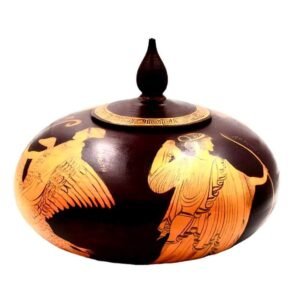
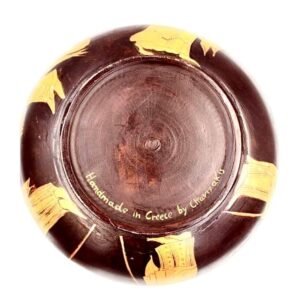
Χειροποίητο ζωγραφιστό αγγείο - τεφροδόχο
tefrodoxoi.gr

Frequently Asked Questions about Urns

 How long does construction take?;

Construction takes from a few days to a few weeks, depending on the design.

 Can I order online?;

Yes, tefrodoxoi.gr allows online ordering with simple steps.

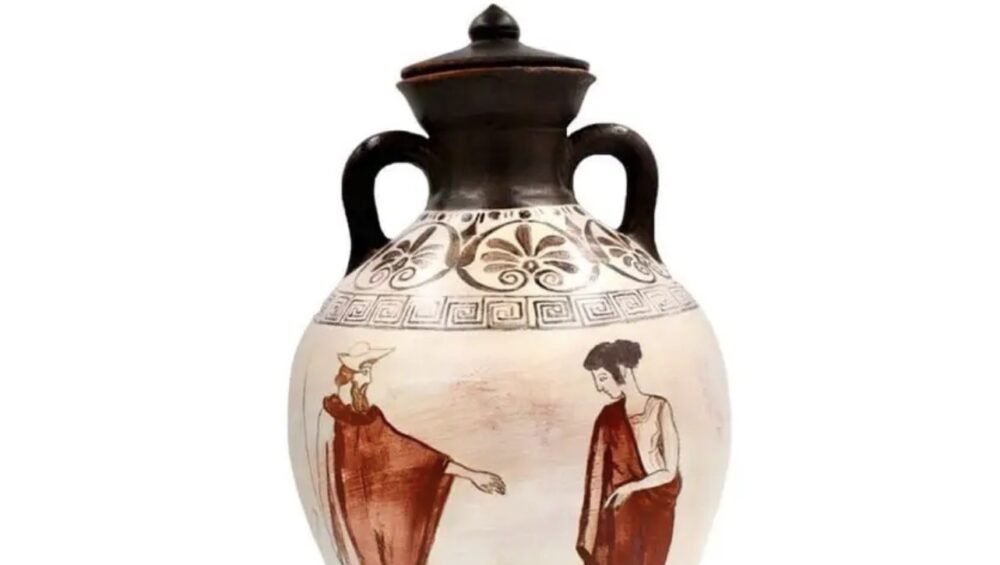
Hand-painted urns Tefrodoxoi.gr

How do I choose the right urn?;

You may wonder:

  • Which material do I prefer?
  • What aesthetic do I want?
  • if I want personalization

This way, you can more easily make the right choice.

tefrodoxoi.gr creates urns with the aim of paying respect and memory through meaningful objects. Craftsmen design, manufacture and inspect each urn with care and consistency.

Ultimately, what makes an urn special? The material, the design, or the story it hides? The answer combines all of these.

If you want to honor a person in a meaningful way, then tefrodoxoi.gr gives you choices that combine aesthetics, quality and personal character.

tefrodoxoi.gr
Handmade urns- Tefrodoxoi.gr
HANDMADE URNSCategoriesURNS

Incinerator Burning Processes: What You Need to Know

What exactly happens during the cremation process and why are more and more people choosing it?;

From: Tefrodoxoi.gr

Cremation is a modern, practical and often more economical option compared to traditional burial. At the same time, cremation offers flexibility and simplicity at a difficult time.

In this guide, we will answer key questions, break down the stages of the cremation process, and explain everything you need to know so you can get a clear picture and make informed decisions.

 What is Incineration?

How is cremation defined?;

Cremation is the process by which the human body is reduced to ash through high temperatures. Experts use modern cremation furnaces, ensuring controlled and safe conditions.

Why do people choose cremation?;

What are the main reasons for choice?;

  • Many are looking for a simpler process
  • Others want lower costs
  • Some prefer a more ecological solution

In addition, incineration offers greater flexibility in terms of ash management.

Are there cultural or religious differences?;

Yes, and they are important. Some religions fully accept cremation, while others consider it unacceptable. Therefore, before making a decision, it is a good idea to consider personal and family beliefs.

 How an Incinerator Works

 What equipment does he use?;

A modern incinerator uses:

  • High temperature furnaces (800–1000°C)
  • Gas filtration systems
  • Automated control systems

Thus, the process remains safe and environmentally controlled.

 How is the process progressing?;

Let's see step by step:

  1. Body preparation
  2. Placement in the combustion chamber
  3. Start of combustion
  4. Cooling of the remains
  5. Conversion to ash

Consequently, each stage is carried out with precision and respect.

Is the procedure safe?;

Of course. Modern incinerators implement strict safety protocols. In addition, they use filters that significantly reduce emissions.

 The Stages of the Combustion Process in Detail

What happens before combustion?;

Before the cremation process begins, those responsible:

  • They check the necessary documents
  • They prepare the body
  • They remove objects that are not allowed

So, the process begins with organization and formality.

Is there a farewell ceremony?;

Yes, if the family wishes. Many choose to have a short ceremony before cremation. This way, they create a personal and meaningful farewell.

What happens during combustion?;

During combustion:

  • The body is exposed to high temperature
  • Tissues gradually break down
  • Only bones remain

Then, experts process the remains to turn them into fine ash.

What happens after burning?;

After completion:

  • The ash is collected
  • Placed in an urn
  • Delivered to relatives

Thus, the process is completed with respect and discretion.

 Legal Framework and Procedures in Greece

 Is cremation allowed in Greece?;

Yes, cremation has been legal in Greece for the past few years. However, specific procedures are required.

 What documents are needed?;

Usually required:

  • Death certificate
  • Medical certificate
  • Declaration of cremation wishes

Therefore, bureaucracy remains manageable but necessary.

Handmade urns
tefrodoxoi.gr

 Who makes the decision?;

The decision may be based on:

  • At the request of the deceased himself
  • In the decision of relatives

Consequently, a clear statement of desire helps significantly.

Advantages and Disadvantages of Combustion

 What are the main advantages?;

  • Lower cost
  • Flexibility in ash management
  • No burial space required

Furthermore, the process is completed quickly and simply.

Are there any disadvantages?;

However, for many the advantages outweigh the disadvantages.


 Frequently Asked Questions about Cremation

 How long does the process take?;

It usually takes between 1.5 and 3 hours. However, the total time may vary.

 Can relatives attend?;

Yes, many crematoriums allow the presence of relatives in special areas.

What about the ash?;

Ash can:

 Is it an ecological choice?;

To a large extent, yes. Modern systems reduce emissions, making incineration more environmentally friendly.

The cremation process combines technology, respect and simplicity. Although it is a sensitive issue, proper information helps us approach it with calmness and understanding.

Ultimately, what matters more? The way we say goodbye or the memory we leave behind? The answer is different for everyone. However, it is worth considering all the options and consciously choosing what meets your own values and needs.

αποτέφρωση-tefrodoxoi.grCategoriesASHTANKS

Cremation. Cremation Procedures in a Crematorium in Greece: What You Need to Know with Respect and Understanding

Cremation Procedures in Greece: What You Need to Know with Respect and Understanding

from: tefrodoxoi.gr

What do cremation procedures in Greece really involve?;

And why, in recent years, have more and more people been looking for clear and human answers?;

The loss of a loved one brings not only pain; it also brings decisions that you are called upon to make at one of the most vulnerable moments of your life. Among these, cremation in Greece is now a modern option that is gaining ground. However, many people do not know what exactly happens behind this process.

In this article, we will analyze the cremation procedures in Greece step by step. At the same time, we will answer frequently asked questions, explain each stage, and shed light on a process that, above all, is characterized by respect, dignity, and care.

What is cremation and how does it work in Greece?

What is cremation?;

Cremation is the process in which the body is burned in a specially designed space, the crematorium. After the process is complete, those responsible collect the ashes and place them in an urn.

Why do people choose this process? Because, often, it gives them a different way to say goodbye—more personal, more internal.

Is cremation allowed in Greece?;

Yes, cremation is legal in Greece. However, for it to take place, specific conditions must be met.

What are the necessary documents?;

  • Statement of wishes of the deceased or the family
  • Death certificate
  • Incineration permit

Therefore, the process is not simply technical; it is also institutionally organized and respectful of people.

How is it different from burial?;

What, after all, is the basic difference between burial and cremation?;

  • Burial includes interment in a cemetery.
  • In contrast, cremation results in ashes, which you can save or scatter.

Therefore, the choice depends on the personal desires, religious beliefs and practical needs of each family.

What are the combustion processes in an incinerator?

What are the basic steps of cremation?;

But how does the burning process in an incinerator actually take place?;

The process follows specific and strict steps:

  1. Transport to the crematorium
    Professionals transport the body with absolute respect and discretion.
  2. Checking data and documents
    Then, those responsible confirm the deceased's details and the necessary documents.
  3. Preparation of the corpse
    Unauthorized items are removed, ensuring a smooth process.
  4. The combustion process
    The combustion takes place in a special furnace, at temperatures reaching 800–1000°C.
  5. Ash collection
    Finally, specialists collect the ashes and place them in an urn, which they deliver to the family.

How long does the process take?;

Typically, the burning itself takes about 1.5 to 2 hours. However, the overall process can take longer, as it also includes preparation.

Can relatives be present?;

Yes, and this is important. In many crematoriums, relatives can attend if they wish.

Why is this important? Because it essentially helps with the farewell process, providing a more conscious and calm way to say the final "goodbye.".

What happens after cremation?

How are the ashes delivered?;

After the cremation is complete, those responsible place the ashes in an urn and deliver them to the relatives.

This point, for many, is particularly emotionally charged.

What options are there for ash?;

What can you do with the ashes of a loved one?;

The most common options are:

  • Storage in an urn at home
  • Placement in special storage areas
  • Dispersal into nature (where permitted)

Furthermore, each choice has its own symbolism and meaning.

Are there any restrictions?;

Yes, there are. The scattering of ashes in Greece is carried out under specific regulations.

Therefore, it is advisable to consult experts or competent bodies before making a decision.

Frequently asked questions about cremation in Greece

How much does cremation cost?;

The cremation cost in Greece it varies depending on the services.

It usually includes:

  • Transport
  • Combustion process
  • Urn

Is it accepted by religion?;

The Orthodox Church does not accept cremation. However, the final choice belongs to the person and their family.

How long does the whole process take?;

From the moment of death to the delivery of the ashes, the process usually takes 1 to 3 days.

Can I choose an urn?;

Of course. There are many choices in designs and materials so you can honor your loved one in a way that reflects their life and personality.

Why more and more people are choosing cremation

What are the main reasons?;

Why is the choice of cremation increasing in Greece?;

  • Economic reasons – Often a more affordable option
  • Practicality – Does not require space in a cemetery
  • Environmental awareness – Considered more environmentally friendly
  • Personal desire – Many have already chosen it in life

Is it a modern trend?;

Yes, and it is growing dynamically. At the same time, it reflects a deeper change in the way we perceive death and farewell.

The emotional dimension of choice

How does cremation affect mourning?;

Cremation does not reduce grief. On the contrary, it often transforms it.

Why?; Because many people feel they maintain a more direct connection with their loved one by keeping the ashes close to them.

Is it a more “quiet” farewell?;

Yes. In many cases, cremation offers a more peaceful, private, and intimate farewell.

How can we honor the memory?;

There are many ways to keep the memory alive:

  • Creating a personal memory space with the square
  • Preservation of objects with sentimental value
  • Establishing small memorial ceremonies, such as memorial services.

And just like that, love is not lost. It is transformed.

The emotional dimension of choice

Cremation procedures in Greece may initially seem complicated or even cold. However, when you understand them, you see that they are based on something deeply human: respect.

Ultimately, what matters more: the process or the feeling?;

The answer is one: what remains is memory.

Whether you choose burial or cremation, what has real value is the way you say goodbye. The way you love. The way you remember.

So, take the time to understand, feel, and choose. Because every farewell deserves to be as unique as the love that accompanies it.

ΣΚΑΛΙΣΤΟΙ ΤΕΦΡΟΔΟΧΟΙ ΣΤΟ ΧΕΡΙ...CategoriesASHTANKS

Urn: a conscious choice of memory and respect

Urn: a conscious choice of memory and respect

from: tefrodoxoi.gr

We avoid words that bring us closer to the most difficult truth of life. We avoid talking about loss. "Cream" belongs to these words.

But it does not hide coldness. It expresses a deep human need: to give meaning to farewell.

 We choose, we are not afraid

Today, in Greece, we do not treat cremation as taboo. We choose it more and more often.

We are changing our lifestyle. We are moving. We live in different cities, different countries. Within this new reality, we are looking for solutions that allow us to keep our people close.

We don't avoid the decision. We make it consciously.

 We transform memory into presence

We do not treat the urn as an object; we transform it into a point of memory.

We hold the person we loved close to us. We create a personal space of connection. We choose where and how we honor them.

We don't just follow formal procedures; we give meaning.

After all, as popular wisdom says, "a person lives as long as you remember him.".
And we choose to actively remember.

 We respect without conflict

The Orthodox Church supports burial as an act of faith and tradition.
The State, with Law 3448/2006 and subsequent regulations, establishes cremation as an option.

We don't choose sides. We respect people.

We don't clash values. We synthesize realities.

 We face the truth of the times

Think about a family living in different countries. He can't take care of a grave. He cannot maintain a daily presence.

The urn doesn't just simplify a process. It preserves the relationship.

It enables people to carry memory with them — not as a burden, but as a continuation.

We recognize the feeling and move on.

We don't make decisions about death easily. We hesitate, we think, we ache.

Others find solace in the urn. Others feel distance.

We don't judge — we understand.

Because we don't just manage a process; we give meaning to a farewell.

We keep the noun

We do not hold a person in either the grave or the urn.
We keep him in our memory.
We hold him with love.
We hold him with the moments we lived.

We choose the method; but the essence does not change.

We don't treat the urn as a break with the past. We use it as an act of respect in the present.

We hold fast to something more important: the dignity of farewell.

Because in the end, our choices about death do not define us;
We are defined by the way we loved.

τεφροδόχος από Ελιά
TEFRODOXOI.GR
CategoriesASHTANKS

Good Friday: where silence becomes prayer

Good Friday: where silence becomes prayerfrom: tefrodoxoi.gr

We experience Good Friday as a time when everything seems to stop.

We lower our voices, slow our steps, and, without fully realizing it, we turn our gaze inward. We arrive at the time of the burial.

The New Testament narrates that moment without noise and describes the moment with silence and respect: «And Joseph took the body… and laid it in a new tomb» (cf. Matt. 27:59-60).

We don't gather a crowd. We don't raise our voices. We stand, a few people, stretch out our hands and express a profound act of love.

Within this simplicity we discover a truth that concerns us all: The greatest moments in life don't make noise.

We do not view the burial of Christ merely as an event. We experience it as an image that reflects every human loss.

Who hasn't stood, at least in their own minds, in front of a "tomb"? Who hasn't experienced an end, a loss, a moment where everything seemed to fade away?;

And yet.

We do not stop at the Cross and we do not stay in the tomb.

In the grave of that day we do not see the end. We understand the grave as a place of waiting and imagine it as the earth that holds the seed until it brings it back to life.

The evangelist notes something simple but profound: «it was Friday» (Jn. 19:42). We understand that we are in preparation.

And here we reveal the meaning. We do not experience Good Friday as the end of history; we cross it as a threshold.

We often fear the darkness. But the Gospel whispers to us that we can see it as a passage and shows us that silence does not mean absence but rather gives rise to anticipation.

We stand before the Epitaph and we do not just honor a sacrifice. We recognize our own need for hope.

Because, as the popular wisdom says, «no tear is wasted.» Somewhere, at some point, there is light.

And perhaps this expresses the most human message of the day: even when everything seems closed, life opens a way.

We don't try to explain Good Friday. We feel it.

We don't try to explain Good Friday. We feel it.

Because through the silence of the grave...
the strongest hope is born.

Happy Good Friday.

χειροποιητό ζωγραφιστό τεφροδόχος
WWW.TEFRODOXOI.GR

ΧΕΙΡΟΠΟΙΗΤΟΣ ΤΕΦΡΟΔΟΧΟΣCategoriesASHTANKS

What are human ashes made of? The scientific truth

What actually are human ashes?;

from: tefrodoxoi.gr

In simple and clear words:
human ashes are the inorganic bone residue after cremation.

During the combustion process (at 800–1000°C),
all the organic elements of the body—that is, 60%, which consists of water and most of the tissues— evaporate or burn.

What remains is not "ash" as we imagine it. It is mainly processed, powdered bones.

What is it made of chemically?;

Human ashes consist mainly of:

  • Calcium phosphates – basic component of bones
  • Calcium (Ca) – at a high rate (up to 70%)
  • Potassium (K) and Sodium (Na) – in smaller quantities
  • Magnesium (Mg) and other trace elements
  • Minimal metal residues (e.g. from medical implants)

 Does not contain:

  • organic tissues
  • DNA in recognizable form
  • «"soft" parts of the body

 How much ash is left?;

On average:

  • An adult person gives about 2 to 3 kilos of ash
  • The quantity depends mainly on the spine and bone mass

 That is, what is ultimately handed down to the family is the inorganic imprint of the skeleton.

 A simple example to make it understandable

Consider a piece of chalk:

  • It is white, solid, "solid"«
  • If we crush it, it becomes dust.
  • Matter does not change — form does.

So are bones after cremation: from solid they become fine, light-colored powder.

Χειροποίητοι τεφροδόχοι σκαλιστοί στο χέρι
Tefrodoxoi.gr

A scientific truth with a human dimension

Human ashes are not "the end of man.".
It's the end of it. biological form of the body.

However, man does not stop there.

  • It's not just calcium and phosphorus
  • It's not just matter

 It is memory, relationships, actions.

As a timeless phrase says:
«"The body turns to dust, but the work remains."»

Human ashes consist mainly of mineral elements of bones, with calcium being predominant.
It is the result of a natural process of transformation — not extinction.

And ultimately, perhaps it teaches us something simple but essential: human matter returns to nature.
 but its imprint remains on people

tefrodxoi.grCategoriesASHTANKS

Cremation Greece: Cost, Procedure, Law

Cremation in Greece: 6 Questions

from: tefrodoxoi.gr

Cremation of the dead in Greece is no longer a "distant" option and is becoming established as a reality that is constantly gaining ground. The value of life does not change; on the contrary, the way we manage it is transformed until the end of it.

At the same time, the word "urn"« is heard more and more often and, at the same time, it opens a dialogue that we have been avoiding for years. Simply put, The time has come to answer questions that we all have, but few dare to ask..


Is cremation legal in Greece?;

The Greek state has explicitly allowed cremation for years and now organizes crematoriums that serve citizens.

However, there is a crucial condition:
the wish must be clearly stated.

  • Either the person himself declares it while he is alive
  • Whether his relatives express it after his death

In other words, the right exists — but the decision remains deeply personal.


How is the cremation process carried out?;

Contrary to popular beliefs, the process progresses simply, organized and without unnecessary hassle.

Specifically:

  • The necessary documents are issued
  • The body is being transported to the crematorium.
  • Cremation is carried out (duration approximately 2 hours)
  • The urn is delivered to the relatives

Then, relatives choose:

  • Home storage
  • Placement in a special place
  • Scattering of ashes (where permitted, such as at sea)

So, the process takes on a quieter and simpler character — as if one were to remove the superfluous and keep the essence.


What is the cost of cremation?;

The financial aspect remains a determining factor and the evidence is clear:

  • Basic cost: 700–900 euros
  • Total cost: 1,200–2,500 euros

On the contrary:

  • Traditional burial: 3,000–4,000 euros or more

The difference is obvious. However, It is not just a financial issue; it is a choice made in moderation and without excesses..

👉 As popular wisdom says:
«"Whatever is in excess is heavy" — even in the most difficult times.


What is the position of religion?;

The Church of Greece formulates a clear position and does not accept cremation for its believers.

Therefore:

  • The traditional funeral service is not held.
  • A simple ceremony is usually held at the cremation site.

Here, the decision ceases to be technical and becomes a deep existential choice.
It touches faith, conscience and attitude towards life.

And in these matters, there are no absolute answers — there is only each person's personal truth.


Why is cremation increasing in Greece?;

Reality is changing and, with it, citizens' choices are also adjusted.

Specifically:

  • The cemeteries are filling up.
  • Families struggle with exhumation at three years old
  • Modern lifestyles do not allow for constant care of graves
  • Maintenance costs remain high and ongoing

Thus, cremation emerges as a more flexible solution.

The data confirms the trend:

  • In many European countries: rates above 70%
  • In Greece: steady increase every year

It is, indeed, like water — always finds the path that suits him.


How is the urn chosen?;

At this point, the choice acquires a deeply emotional dimension.

The urn:

  • It is not just an object
  • Represents memory
  • It symbolizes the relationship with the person who left.

The main criteria include:

✔️ The character of the person
✔️ The way we want to remember him
✔️ The inner peace that choice offers us

The available options:

  • Wood, metal, ceramic
  • Modern or classic designs
  • Personalized solutions

👉 As aptly noted:
«"The urn is the last image of memory.".

And this picture must reflect the life that preceded it.


Epilogue

The cremation of the dead It takes nothing away from love, it does not diminish memory, and it does not alter emotion..

On the contrary, changes the way.

And perhaps this is the most important thing:
to have choices.

Because, in an era of constant change, Freedom of decision constitutes the highest form of dignity.

As folk wisdom says:
«"Value is in decisions" — especially those made with a clear mind.


Χειροποίητοι τεφροδόχοι σκαλιστοί στο χέριCategoriesASHTANKS

Choosing an Urn - A letter that is not sent...

Urn Selection.

I don't know how to start a letter like this, and yet I grab the paper and organize my thoughts.

I write "Choice of an Urn" and immediately wonder who I'm writing about, as if something inside me is demanding an answer and won't be quiet.

I'm writing about you, who until yesterday I could hear your breathing next to me, and now I'm trying to figure out how to continue.

I don't write to send it, but to give voice to what I feel and not let it suffocate me.

I think of you and let the images come as they will.

I don't remember you as I saw you at the end, but I remember you as I lived with you and that's how I keep you alive inside me.

In small moments I find you again, in phrases you said without a second thought and in things that I used to ignore but now I hold tightly.

Acceptance

Today I did something I never expected and, no matter how much I thought about it, I didn't do it simply.

I chose an urn and immediately felt the weight of that choice.

I'm speaking to you openly because I didn't know what to do and I was looking for a way to get closer to you again.

I went in, looked and compared, while trying to see the process simply, as if I could control it.

But it wasn't simple, because I didn't choose an object and I figured it out very quickly.

I was deciding where to keep you and that thought stopped me and changed me.

I looked at many options and weighed them one by one, giving each thought time to settle.

They all seemed right and beautiful in their own way, but none of them really touched me.

I stopped searching and let myself feel.

I didn't chase the impressive and I didn't seek the special, but I stood in front of something that I saw as a work of art.

And there I felt it clearly, without explaining it.

I didn't think, I felt, and that's what got to me.

I felt a calm spreading within me, as if everything I couldn't sort out was falling into place.

And then I realized something I hadn't realized before.

The material doesn't matter, the shape doesn't matter, and the price doesn't matter, no matter how hard you try to put them in order.

It's what I feel when I hold it that counts, if it gives me value and if he honors you in the way you deserve.

Assurance

And I want to tell you something else, because this is what keeps me going.

I didn't put you somewhere, but I kept you close to me in the way I can and can bear.

I hear many people say that time helps and I try to believe it.

I don't know if they're right, but I keep moving forward.

But I know that I feel you next to me, in unsuspected moments, without words and without explanations.

If this is memory, then it stays and sustains me.

I can't find an end to this letter, because what I feel doesn't end easily.

I just want you to know something that doesn't change.

No matter what changes around me, I remember you and keep you inside me.

And that doesn't change.

🔻

TEFRODOXOI.GR
TEFRODOXOI.GR / URNS

If you are reading this text and going through this process, I want to speak to you humanly and simply.

Don't rush into choosing an urn and give yourself time to figure out what you need.

Don't pressure yourself and listen to what you feel, because that's how you will find the answer.

In the end, you connect with the urn and give it meaning.

And this connection leads you, even when everything seems difficult.

tefrodoxoi.gr

🔻

TEFRODOXOI.GR
TEFRODOXOI.GR / URNS

Because in the end, you are connected to the urn.

tefrodoxoi.gr

Handmade urns. Τεφροδόχοι χειροποίητοιCategoriesASHTANKS

Mom… how do you choose an urn?;

«Mom… how do you choose an urn?;»

from: tefrodoxoi.gr

— Mom…
— Yes?;
— How do you choose an urn?;

(silence)

— I don't know if there's a right answer to this...
— Me neither.


Σκαλιστοί τεφροδόχοι tefrodoxoi.gr
tefrodoxoi.gr


-Mom? Did you look on the internet?;

– Yes

— And?;
— I didn't distinguish any. They looked the same to me.

— I thought you just pick one and that's it.
— I thought so too.

— But that's not true, is it?;
— No…

— What confused you the most?;
— I don't know what I consider "right.".

— Is there a right one?;
— I don't think so…

— Do you want something simple?;
— Maybe…
— Or something more special?;
— I don't know… it depends.

— From what?;
— From how I remember him.

— I want something calm, mom.
— Yes… me too.

— I don't want anything unpleasant.
— Me neither.

(pause)

— Did you see the ceramics?;
— Yes… I saw them.
— I liked them.

— Why?;
— I don't know… I felt something.

— What did you feel?;
— I felt an earthly calm.

— Like they're just standing there?;
— Yes… exactly.

(pause)

— Can I tell you something?;
— Tell me.

— I think you'll understand when you find her.
— So?;

— You won't think about it too much.
— Will it come naturally to me?;
— Yes.

(pause)

— Mom…
— Yes?;

— Can we keep her here?;
— At home?;
— Yes, mom…

(a little silence)

— If that makes you feel closer… I want it too.

Some choices are not made with instructions.

They are not explained.

They happen within a conversation.
In a silence.
In a moment when something "clicks".

And then you know.

What does a child feel when they lose a parent?

Does he understand the loss?;

A child does not perceive death like an adult. At young ages, it is difficult to understand that the absence is permanent.

Waiting for the parent's return, She asks when she will see him again and imagines he left for a while.. In this way he protects himself from a pain that he cannot yet bear.

The silence that says more

Why doesn't the child express himself?;

The child does not always express strong emotions. He continues playing, appears calm, or withdraws.

With this attitude he tries to deal with the loss. He doesn't avoid the pain; he just hasn't found a way to express it yet. He keeps what he feels inside until he can express it.

The fear that arises after loss

How does the sense of security change?;

The child loses a sense of stability when they lose a parent. They don't just lose a person; they lose the foundation that gives them security.

He is afraid. He wonders if he will lose the other parent, if he will remain safe, and if he can trust the world around him. Even when he does not express these thoughts, he carries them inside and changes his behavior.

Anger as an expression of pain

Why is the child reacting strongly?;

The child expresses his pain through anger. He reacts, shouts, moves away or questions those around him.

He's not trying to provoke. He's trying to endure. Anger acts as an outlet for the tension he can't handle otherwise. Behind every reaction lies deep sadness.

The guilt that weighs silently

Can the child feel responsible?;

The child often associates the loss with himself. He believes that he did something wrong or that he could have prevented what happened.

In this way, he tries to explain something he doesn't understand. For this, he needs to hear clearly and repeatedly that he bears no responsibility.

The sadness that comes and goes

Why does his mood change so quickly?;

The child does not remain in sadness all the time. He goes from playing to crying and back again.

With this alternation, he protects himself. He doesn't forget the loss; he simply regulates the intensity of the pain so that he can manage it.

Absence in everyday moments

When does the loss become more intense?;

The child feels the absence most intensely in the simple moments of everyday life. He wants to talk and can't find the parent. He wants to share a joy and can't.

In these moments, he understands loss again. He feels the emptiness and pain more intensely.

How can we support a grieving child?

What does he really need?;

The child needs presence, honesty and acceptance. He needs an adult who listens to him without pressuring him and gives him space to express what he feels.

The adult tells the truth in simple words, answers questions, and remains steadfast by his side. At the same time, he accepts every emotion without correcting or diminishing it.

In this way, the child feels safe. Within this safety, he gradually finds his own way to process the loss.

You don't have to go through this alone.

You can talk.
Ask.
Take your time.

Because in the end,

It's how you keep a person close to you.