Cremation Procedures in Greece: What You Need to Know with Respect and Understanding
from: tefrodoxoi.gr
What do cremation procedures in Greece really involve?;
And why, in recent years, have more and more people been looking for clear and human answers?;
The loss of a loved one brings not only pain; it also brings decisions that you are called upon to make at one of the most vulnerable moments of your life. Among these, cremation in Greece is now a modern option that is gaining ground. However, many people do not know what exactly happens behind this process.
In this article, we will analyze the cremation procedures in Greece step by step. At the same time, we will answer frequently asked questions, explain each stage, and shed light on a process that, above all, is characterized by respect, dignity, and care.
What is cremation and how does it work in Greece?
What is cremation?;
Cremation is the process in which the body is burned in a specially designed space, the crematorium. After the process is complete, those responsible collect the ashes and place them in an urn.
Why do people choose this process? Because, often, it gives them a different way to say goodbye—more personal, more internal.
Is cremation allowed in Greece?;
Yes, cremation is legal in Greece. However, for it to take place, specific conditions must be met.
What are the necessary documents?;
- Statement of wishes of the deceased or the family
- Death certificate
- Incineration permit
Therefore, the process is not simply technical; it is also institutionally organized and respectful of people.
How is it different from burial?;
What, after all, is the basic difference between burial and cremation?;
- Burial includes interment in a cemetery.
- In contrast, cremation results in ashes, which you can save or scatter.
Therefore, the choice depends on the personal desires, religious beliefs and practical needs of each family.
What are the combustion processes in an incinerator?
What are the basic steps of cremation?;
But how does the burning process in an incinerator actually take place?;
The process follows specific and strict steps:
- Transport to the crematorium
Professionals transport the body with absolute respect and discretion. - Checking data and documents
Then, those responsible confirm the deceased's details and the necessary documents. - Preparation of the corpse
Unauthorized items are removed, ensuring a smooth process. - The combustion process
The combustion takes place in a special furnace, at temperatures reaching 800–1000°C. - Ash collection
Finally, specialists collect the ashes and place them in an urn, which they deliver to the family.
How long does the process take?;
Typically, the burning itself takes about 1.5 to 2 hours. However, the overall process can take longer, as it also includes preparation.
Can relatives be present?;
Yes, and this is important. In many crematoriums, relatives can attend if they wish.
Why is this important? Because it essentially helps with the farewell process, providing a more conscious and calm way to say the final "goodbye.".
What happens after cremation?
How are the ashes delivered?;
After the cremation is complete, those responsible place the ashes in an urn and deliver them to the relatives.
This point, for many, is particularly emotionally charged.
What options are there for ash?;
What can you do with the ashes of a loved one?;
The most common options are:
- Storage in an urn at home
- Placement in special storage areas
- Dispersal into nature (where permitted)
Furthermore, each choice has its own symbolism and meaning.
Are there any restrictions?;
Yes, there are. The scattering of ashes in Greece is carried out under specific regulations.
Therefore, it is advisable to consult experts or competent bodies before making a decision.
Frequently asked questions about cremation in Greece
How much does cremation cost?;
The cremation cost in Greece it varies depending on the services.
It usually includes:
- Transport
- Combustion process
- Urn
Is it accepted by religion?;
The Orthodox Church does not accept cremation. However, the final choice belongs to the person and their family.
How long does the whole process take?;
From the moment of death to the delivery of the ashes, the process usually takes 1 to 3 days.
Can I choose an urn?;
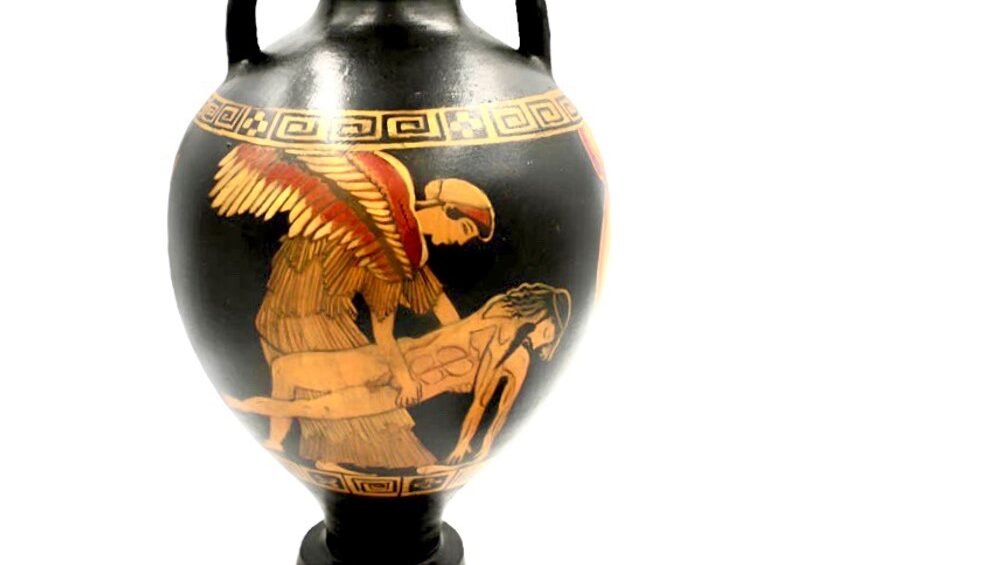
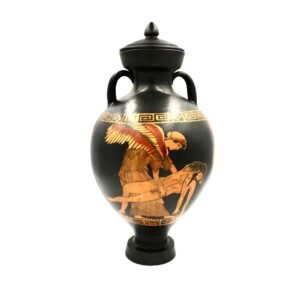
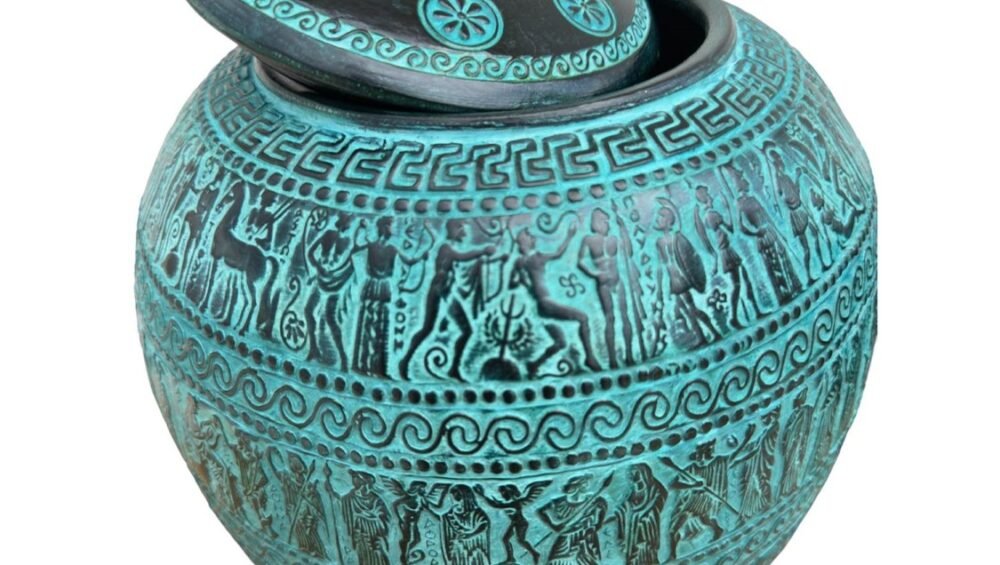
Of course. There are many choices in designs and materials so you can honor your loved one in a way that reflects their life and personality.
Why more and more people are choosing cremation
What are the main reasons?;
Why is the choice of cremation increasing in Greece?;
- Economic reasons – Often a more affordable option
- Practicality – Does not require space in a cemetery
- Environmental awareness – Considered more environmentally friendly
- Personal desire – Many have already chosen it in life
Is it a modern trend?;
Yes, and it is growing dynamically. At the same time, it reflects a deeper change in the way we perceive death and farewell.
The emotional dimension of choice
How does cremation affect mourning?;
Cremation does not reduce grief. On the contrary, it often transforms it.
Is it a more “quiet” farewell?;
Yes. In many cases, cremation offers a more peaceful, private, and intimate farewell.
How can we honor the memory?;
There are many ways to keep the memory alive:
- Creating a personal memory space with the square
- Preservation of objects with sentimental value
- Establishing small memorial ceremonies, such as memorial services.
And just like that, love is not lost. It is transformed.
The emotional dimension of choice
Cremation procedures in Greece may initially seem complicated or even cold. However, when you understand them, you see that they are based on something deeply human: respect.
Ultimately, what matters more: the process or the feeling?;
The answer is one: what remains is memory.
Whether you choose burial or cremation, what has real value is the way you say goodbye. The way you love. The way you remember.
So, take the time to understand, feel, and choose. Because every farewell deserves to be as unique as the love that accompanies it.