Cremation in Greece: 6 Questions
from: tefrodoxoi.gr
Cremation of the dead in Greece is no longer a "distant" option and is becoming established as a reality that is constantly gaining ground. The value of life does not change; on the contrary, the way we manage it is transformed until the end of it.
At the same time, the word "urn"« is heard more and more often and, at the same time, it opens a dialogue that we have been avoiding for years. Simply put, The time has come to answer questions that we all have, but few dare to ask..
Is cremation legal in Greece?;
The Greek state has explicitly allowed cremation for years and now organizes crematoriums that serve citizens.
However, there is a crucial condition:
the wish must be clearly stated.
- Either the person himself declares it while he is alive
- Whether his relatives express it after his death
In other words, the right exists — but the decision remains deeply personal.
How is the cremation process carried out?;
Contrary to popular beliefs, the process progresses simply, organized and without unnecessary hassle.
Specifically:
- The necessary documents are issued
- The body is being transported to the crematorium.
- Cremation is carried out (duration approximately 2 hours)
- The urn is delivered to the relatives
Then, relatives choose:
- Home storage
- Placement in a special place
- Scattering of ashes (where permitted, such as at sea)
So, the process takes on a quieter and simpler character — as if one were to remove the superfluous and keep the essence.
What is the cost of cremation?;
The financial aspect remains a determining factor and the evidence is clear:
- Basic cost: 700–900 euros
- Total cost: 1,200–2,500 euros
On the contrary:
- Traditional burial: 3,000–4,000 euros or more
The difference is obvious. However, It is not just a financial issue; it is a choice made in moderation and without excesses..
👉 As popular wisdom says:
«"Whatever is in excess is heavy" — even in the most difficult times.
What is the position of religion?;
The Church of Greece formulates a clear position and does not accept cremation for its believers.
Therefore:
- The traditional funeral service is not held.
- A simple ceremony is usually held at the cremation site.
Here, the decision ceases to be technical and becomes a deep existential choice.
It touches faith, conscience and attitude towards life.
And in these matters, there are no absolute answers — there is only each person's personal truth.
Why is cremation increasing in Greece?;
Reality is changing and, with it, citizens' choices are also adjusted.
Specifically:
- The cemeteries are filling up.
- Families struggle with exhumation at three years old
- Modern lifestyles do not allow for constant care of graves
- Maintenance costs remain high and ongoing
Thus, cremation emerges as a more flexible solution.
The data confirms the trend:
- In many European countries: rates above 70%
- In Greece: steady increase every year
It is, indeed, like water — always finds the path that suits him.
How is the urn chosen?;
At this point, the choice acquires a deeply emotional dimension.
The urn:
- It is not just an object
- Represents memory
- It symbolizes the relationship with the person who left.
The main criteria include:
✔️ The character of the person
✔️ The way we want to remember him
✔️ The inner peace that choice offers us
The available options:
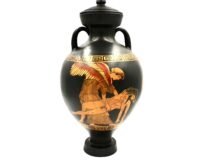
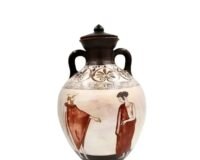
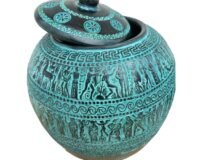
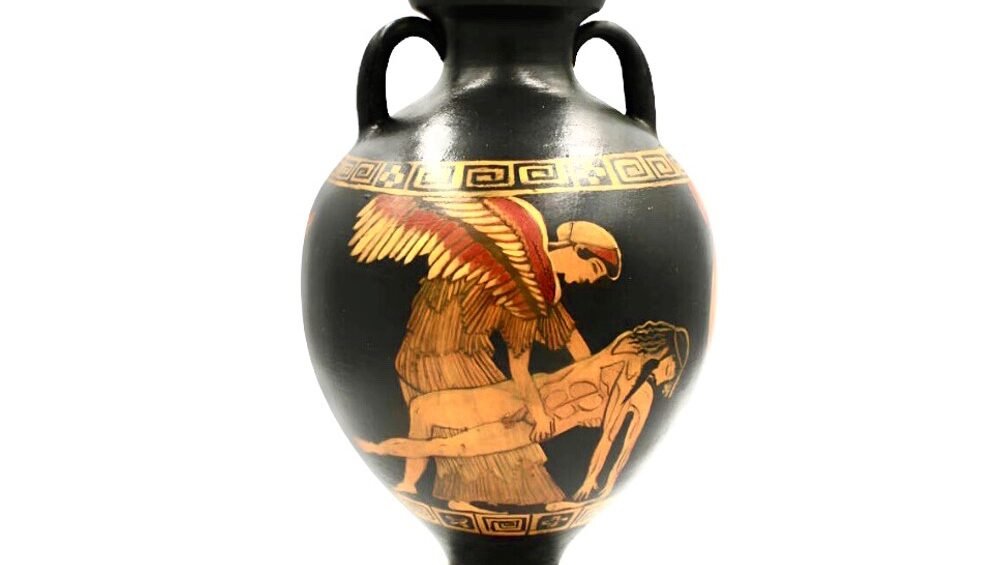
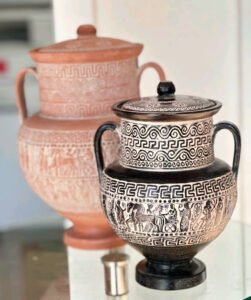
- Wood, metal, ceramic
- Modern or classic designs
- Personalized solutions
👉 As aptly noted:
«"The urn is the last image of memory.".
And this picture must reflect the life that preceded it.
Epilogue
The cremation of the dead It takes nothing away from love, it does not diminish memory, and it does not alter emotion..
On the contrary, changes the way.
And perhaps this is the most important thing:
to have choices.
Because, in an era of constant change, Freedom of decision constitutes the highest form of dignity.
As folk wisdom says:
«"Value is in decisions" — especially those made with a clear mind.
 In closing, remember…